Roof leak repair
Interior stains, chimney and wall flashing, valleys that stay wet after Gulf rain.
Leak repair →Houston, Texas
Leaks, storm openings, and worn shingles — inspected before we quote. Service-area roofing, not a storefront.
Most calls we take are not abstract “roofing.” They are a stain that grew after a Gulf rain, a ridge that opened in a thunderstorm, or a valley that stays wet because pine needles packed it. Roof repair in Houston is a humidity-and-rain problem first. Wind-driven rain finds flashing gaps. Ponding sits on low-slope additions. North and tree-shaded slopes grow algae streaks on asphalt. That is the work.
This is a service-area company. We do not run a street-front shop. You call (281) 562-7867 or send the quote form. We pick up during business hours and respond within one business day. If the roof is open, we talk tarp versus a scheduled visit — we do not claim a crew living in a truck at every hour.
Houston sits in a humid subtropical climate on the Gulf. NOAA’s Atlantic hurricane season runs June 1 through November 30. Annual precipitation around the metro is commonly published near fifty inches, station-dependent (Bush Intercontinental versus Hobby will not match to the inch). Harvey in August 2017 was an extreme multi-day rain, not a typical Tuesday. Large hail happens, but NOAA Storm Events and local reporting show it is less of a yearly drumbeat here than in North or West Texas. We do not repeat contractor “hail days per year” slogans.
Nine scopes. No extra menu items, no city-by-service URL maze.
Interior stains, chimney and wall flashing, valleys that stay wet after Gulf rain.
Leak repair →Openings after a storm. Calls taken; tarp or visit scheduled. No around-the-clock crew claim.
Emergency repair →Wind-driven rain, lifted shingles, and tropical-season openings along I-10 and US-290.
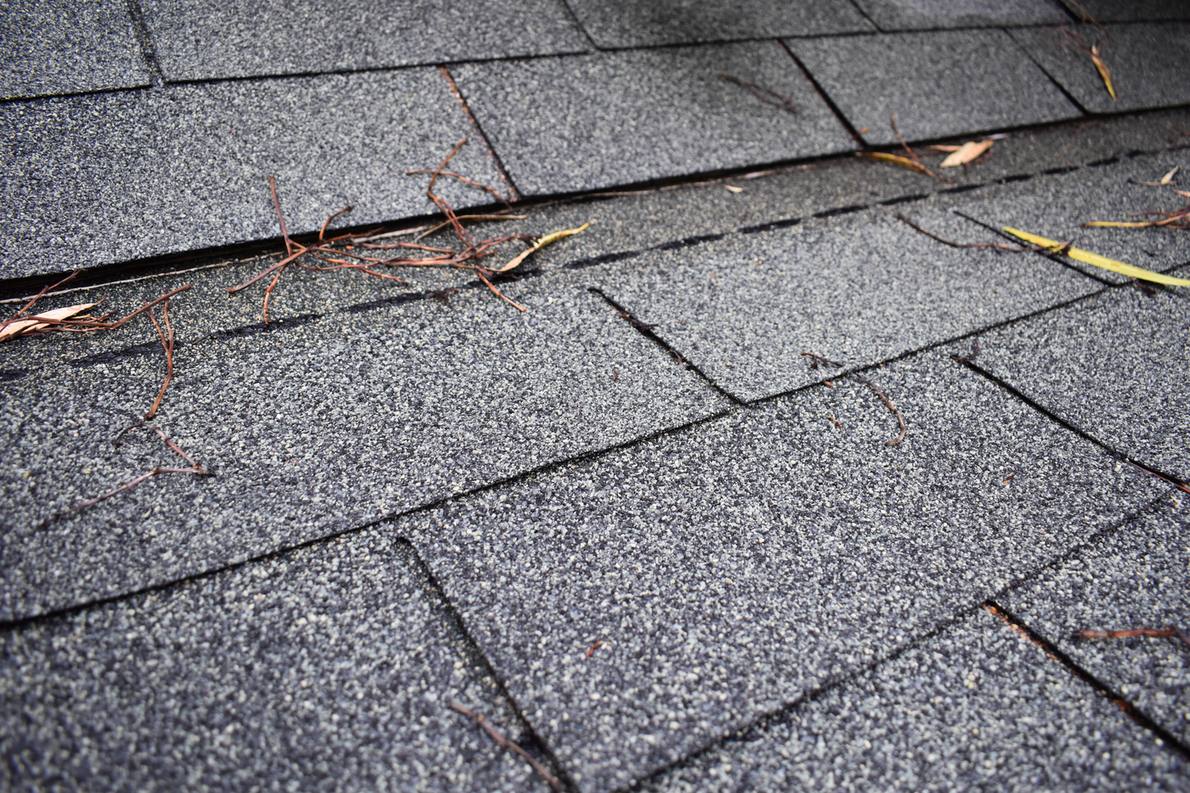
Storm damage →Broken tabs, algae-stained fields, and valley edges on asphalt roofs.
Shingle repair →When the field is past repair. Price after walkthrough — we name drivers, not a menu.
Replacement →Low-slope townhomes, additions, and ponding — common in Montrose and on commercial lids.
Flat roofs →Fasteners, flashing, and panels — especially east toward the Ship Channel.
Metal repair →A structured look before you buy, sell, or file a storm note. Photos and a written scope.
Inspections →Low-slope and metal on shops, warehouses, and industrial neighbors of the Channel.
Commercial →Highways are how Houston locates a roof: I-10, I-610, Beltway 8, US-290, US-59/I-69, I-45, and SH-288. East industrial and the Ship Channel lean metal and low-slope commercial. West MPCs along I-10 and US-290 lean asphalt on slab-on-grade. Inner-loop bungalows in the Heights and East End are often pier-and-beam, which changes how chimney and wall flashing move when coastal clays shrink and swell.
Coastal clays in the Beaumont Clay family (and related high-plasticity units) shrink and swell. That movement shows up as flashing gaps, ridge distortion, and chimney or wall separation — not as a slogan about a single USDA soil series on every parcel. Gloeocapsa magma algae paints north and shaded asphalt first; algae-resistant shingles are a Gulf product category, not a luxury add-on. Pine pollen and needles load valleys under the Memorial and Woodlands canopy. We write the longer physics on each service page because a leak and a metal panel do not fail the same way.
Repair is the right first look when leaks, missing shingles, or flashing gaps are local. Replacement enters the conversation when wet decking, repeated leaks, or a storm-opened field make patching a short delay. We name that after a walkthrough, not from a photo alone.
We pick up during business hours and respond within one business day. If the opening is active, we take the call, talk through tarp versus a same-week visit, and schedule from there. We do not advertise an around-the-clock on-site crew as an operations fact.
No. Houston is the base, and we also schedule in Katy, Sugar Land, Pearland, Cypress, The Woodlands, and Pasadena. Inside the city we work Heights, Memorial, Montrose, the Energy Corridor, the East End, and Meyerland as Houston neighborhoods — not as separate cities.
A photo helps us see whether the job looks like a leak, storm opening, or full field. Price drivers are access, decking, flashing complexity, and material. The number comes after inspection or a scheduled walkthrough, not as a menu rate.
Move belongings off the wet ceiling, put a bucket under the drip, and avoid walking a wet or steep roof. Note which rooms stain after wind-driven rain. That map is more useful than a guess about which shingle failed.
Yes, with different scopes. Houses are usually steep-slope asphalt or mixed details. East-side and Ship Channel work often means metal or low-slope commercial. Say which you have on the quote form so we send the right walkthrough.
Tell us the city or Houston neighborhood, the job type, and what is going on. A photo helps. We respond within one business day during business hours.