A Houston leak is usually a path, not a mystery stain with no roof above it. Wind-driven Gulf rain finds a gap at a chimney, a wall, a pipe jack, or a valley that holds pine needles. The ceiling tells you which room. The roof tells you which plane. Roof leak repair in Houston starts by connecting those two maps before anyone talks about a full field.
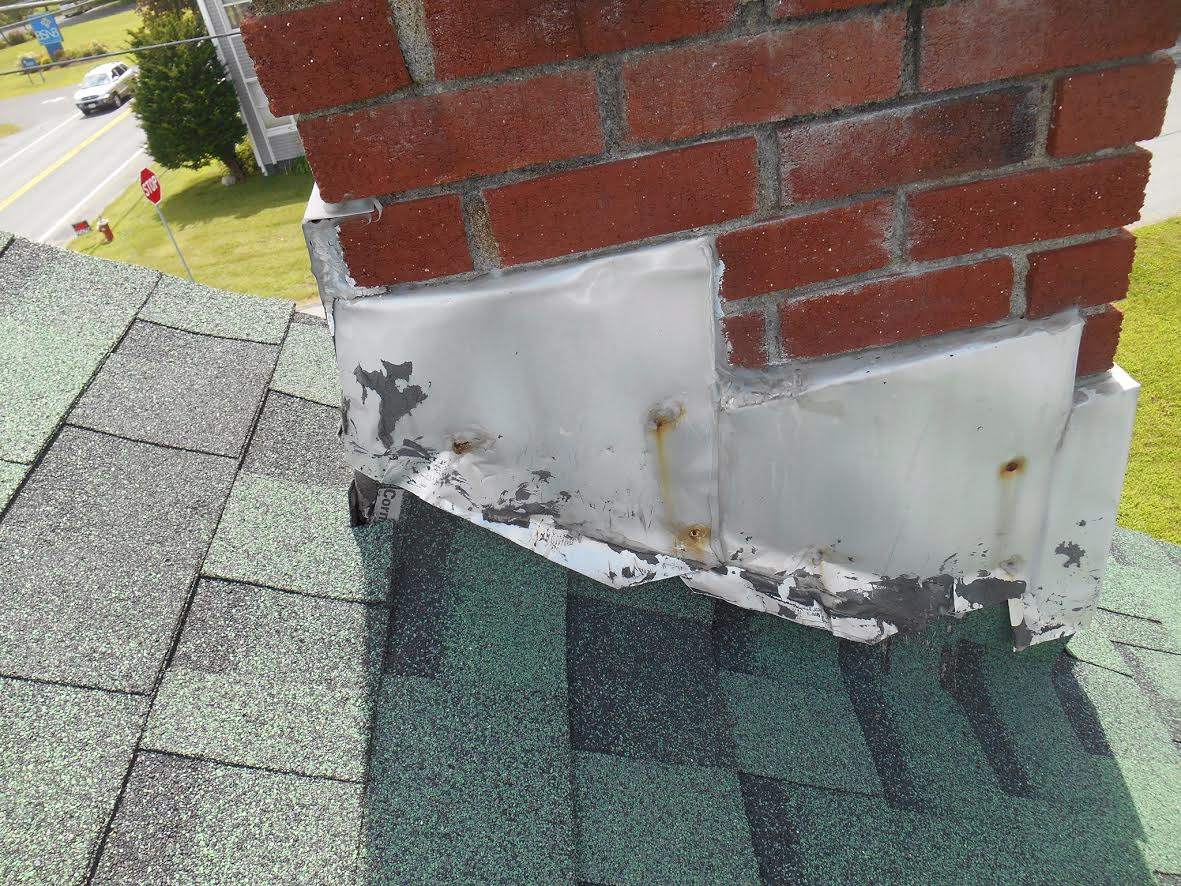
Inner-loop pier-and-beam bungalows — especially in the Houston Heights along Heights Boulevard, Yale, and 19th — move differently than a slab ranch in an MPC. High-plasticity coastal clays in the Beaumont Clay family and related units shrink and swell with wet and dry spells. That movement opens step flashing at a chimney, separates a wall counterflashing, and can rack a ridge enough that water tracks inside during the next wind-driven rain. We do not label a parcel “USDA Houston Black” from a website. We look at the flashing.
Sugar Land’s First Colony streets (development from 1977) are in a leak-or-replace window: original or once-replaced asphalt, Fort Bend clay, and a canopy that keeps north slopes damp. That is why this service is the primary path on the Sugar Land page, with replacement as the secondary conversation when decking is wet or the field is past local patches.
What we do on a leak call: walk the interior stain map, then the exterior. Valleys, step flashing, kick-out at a wall, skylights if present, and any low-slope addition that can pond. We look for granules in gutters, curled tabs at the leak plane, and algae that marks which slopes stay wet. We do not quote a dollar amount from one phone photo. Price drivers are access, pitch, how many penetrations sit in the wet path, whether decking is compromised, and whether the fix is a flashing rebuild or a larger plane. The number comes after inspection or a scheduled walkthrough.
Pasadena houses from the 1940s and 1950s and Channel-adjacent shops sometimes leak at the joint between a steep porch and a low-slope lid. That is a leak-repair problem first; commercial scope is secondary and lives on the Pasadena and commercial pages. Montrose townhomes with low-slope behind a street-facing pitch often leak at the transition — see flat roof repair when ponding is the mechanism.
The Houston factor
Humid subtropical air over the Gulf means rain is frequent and often wind-driven, not a straight-down shower. NOAA’s hurricane season runs June 1 through November 30. Ponding on low-slope additions is an everyday failure mode, not a rare flood. Annual precipitation is commonly published near fifty inches, station-dependent. Harvey in August 2017 was an extreme multi-day rain; published IAH storm totals for that event sit in the mid-thirty-inch range over several days — we do not invent neighborhood inch counts.
Large hail is less frequent here than in North or West Texas (NOAA Storm Events; Houston Chronicle reporting on that contrast). We do not use “8–12 hail days a year” contractor copy. Gloeocapsa magma algae (NRCA) streaks asphalt on north and tree-shaded slopes first and can hide granule loss at a leak edge. Pine pollen and needles load valleys under the Memorial and Woodlands canopy. Clay shrink-swell opens flashing. Those are the leak physics we actually chase.
When a leak is not “just a leak”
Repeated stains on the same plane, soft decking, or a field that already has many patches move the talk toward replacement. An opening you can see from the yard after a storm belongs on emergency roof repair. We will say which after we are on site. Call (281) 562-7867 or use the quote form.
Questions about leak repair
Can you find a leak without going in the attic?
An interior stain and an exterior plane often line up. Attic access, when it exists, shows wet decking and the true path. Pier-and-beam houses do not always give a full attic walk. We use both sides of the roof when we can and we do not pretend a curb photo is enough for a number.
Why does the stain show up a room away from the pipe?
Water runs along decking, a rafter, or a valley before it drips. Houston wind-driven rain makes that worse. We track the path instead of caulking the first vent we see from the street.
Do clay soils really open flashing?
High-plasticity coastal clays move with moisture. On a chimney or a masonry wall that shows as a gap in step flashing or a cracked counterflashing. Heights and East End bungalows show it often. We repair the flashing; we do not sell a foundation job we are not performing.
Will you match existing shingles on a patch?
We try. Gulf sun and algae change color. A honest patch may still read as a repair. If the field is already inconsistent, we say so before we start.
Is First Colony automatically a replacement?
No. 1977-era streets are in a leak-or-replace window, not a mandatory tear-off. Decking, prior overlays, and how many planes leak decide. That is a walkthrough, not a ZIP-code rule.
Roof leak repair by city
Inner pages for this service in each city hub:
Katy Sugar Land Pearland Cypress The Woodlands Pasadena Houston Heights Memorial Montrose Energy Corridor East End Meyerland Spring Humble Tomball Conroe Missouri City Richmond Rosenberg League City Friendswood Baytown Galveston Texas City Alvin Stafford Bellaire