Roof leak repair
Roof leak repair scheduled in Energy Corridor.
Roof leak repair in Energy Corridor →The Energy Corridor (77077 and 77079) is a Houston district west on I-10: houses from the 1960s through the 2000s, office and retail neighbors, and living memory of Addicks and Barker reservoir operations during Harvey-era flooding. It is not a separate city. The primary service is roof replacement. Secondary is storm damage.
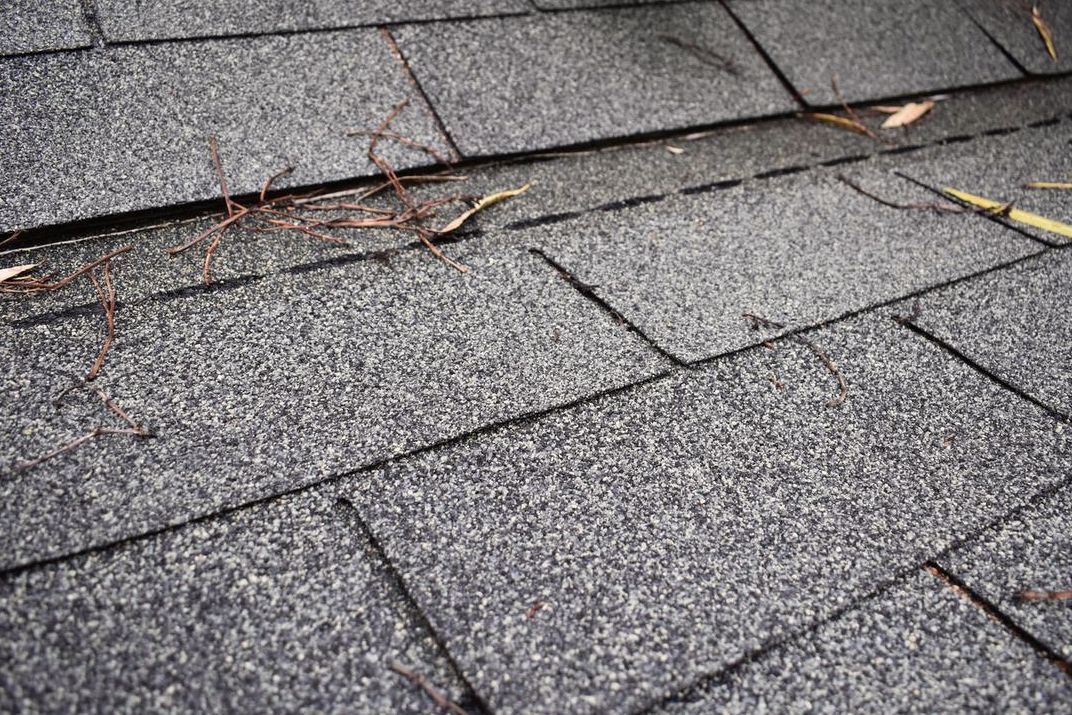
Age of the housing stock is why replacement leads. A 1970s or 1990s asphalt field may already have had one roof. Storms still lift ridges; that is the secondary page. Flood memory is real and it is not the same as a roof scope. An elevated or rebuilt house still needs a lid specified for Gulf rain and humidity. We do not sell a foundation or elevation job on this page.
City of Houston permits. I-10, the Beltway, and Dairy Ashford / Eldridge-type north-south streets place the lot. Clay is still high-plasticity. Flashings at brick move. Algae on shaded slopes is ordinary.
(281) 562-7867. Business hours; response within one business day. Replacement numbers after walkthrough — squares, layers, decking, access — not a website package price. Harvey (August 2017) is cited as the extreme rain; we use commonly published IAH mid-thirty-inch multi-day figures and we do not invent a reservoir-release inch count for your street.
77077 and 77079 cover a lot of west I-10 housing that went up with the energy offices. A 1960s ranch and a 1998 two-story are both “Energy Corridor” on this page and they are not the same roof. We ask the decade if you know it. Layers on the deck tell the rest. Storm is secondary because tropical wind still lifts a ridge on a house that is otherwise in a replace window.
Addicks and Barker are reservoirs, not roofing brands. Harvey-era releases are why people here talk flood and elevation. A rebuilt or raised house still needs flashings that meet the new walls. That is replacement or leak detail, not a flood-restoration contract we do not claim. City of Houston is the permit city.
Dairy Ashford, Eldridge, and Kirkwood are how people place the lot north or south of I-10. They do not get URLs. Put the nearest cross street on the form. If the lid is five years old and a storm creased a slope, do not start on this pairing — use storm or shingle. (281) 562-7867.
A replacement walkthrough here counts squares, layers, and whether the chimney already shows a clay gap. Addicks and Barker memory explains why some walls are new. It does not set the roof price. If the field is sound and a storm lifted one slope, we send you to storm damage. If you only want the age of the lid written, use inspection. The Energy Corridor pairing is replacement because that is the 1960s–2000s stock, not because every west I-10 house is due this week.
Not by itself. We look at the field, the deck, and the flashings. Flood history may change access or wall details on a rebuild. It is not a tear-off rule.
Those ZIPs define this district page. Other west I-10 Houston streets may still be on the visit list. Replacement remains the pairing.
Then storm or leak is more likely than replacement. The district default is about the 1960s–2000s stock, not about ignoring a new lid.
Every Houston-level service has an inner page for Energy Corridor.
Roof leak repair scheduled in Energy Corridor.
Roof leak repair in Energy Corridor →Emergency roof repair scheduled in Energy Corridor.
Emergency roof repair in Energy Corridor →Storm damage scheduled in Energy Corridor.
Storm damage in Energy Corridor →Shingle repair scheduled in Energy Corridor.
Shingle repair in Energy Corridor →Roof replacement scheduled in Energy Corridor.
Roof replacement in Energy Corridor →Flat roof repair scheduled in Energy Corridor.
Flat roof repair in Energy Corridor →Metal roof repair scheduled in Energy Corridor.
Metal roof repair in Energy Corridor →Roof inspection scheduled in Energy Corridor.
Roof inspection in Energy Corridor →Commercial roofing scheduled in Energy Corridor.
Commercial roofing in Energy Corridor →