A roof inspection in Houston is a scheduled look with photos and a written scope — not a free sales walk that ends in a surprise replacement. People ask for it before a purchase, before a listing, after a storm they did not see, or because an HOA or a buyer’s agent wants the lid described in plain language.
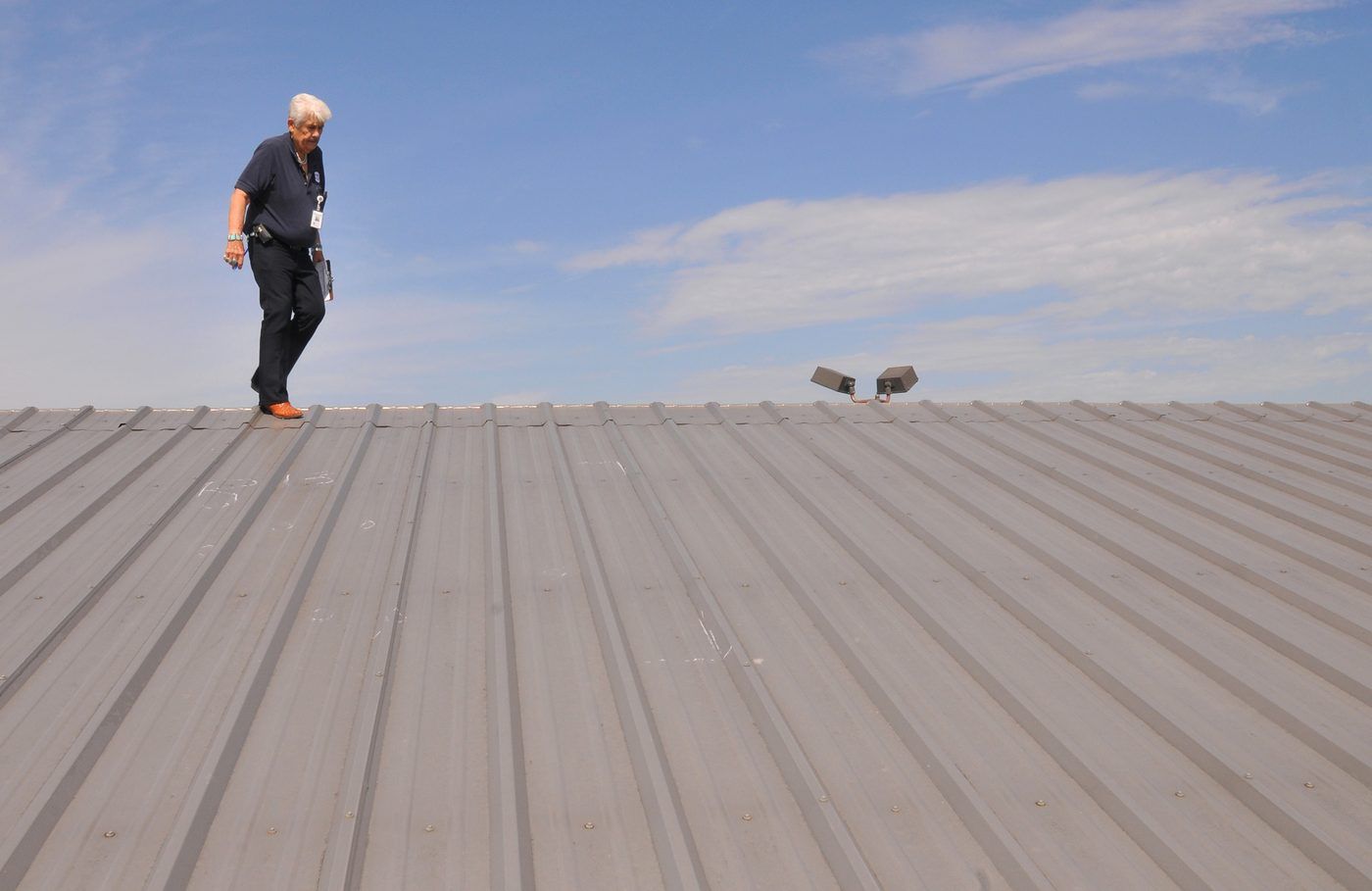
The Woodlands is the city we pair first with inspection. Pine canopy, HOA villages, and Montgomery County jurisdiction change what “looks fine from the street” means. Needles in valleys and algae on north slopes are normal findings, not automatic tear-off. Secondary there is shingle repair when the report is local.
Memorial (77024) is the district pair: Memorial Drive, the Villages, Buffalo Bayou canopy. Inspection is primary; storm is secondary because limbs and wind-driven rain are regular. Pearland uses inspection as the secondary to replacement when Silverlake or Shadow Creek owners want the cycle dated before they commit.
What we write down: planes, ridges, flashings, valleys, penetrations, visible decking issues, algae and debris, and any low-slope attachment. We note housing type — pier-and-beam bungalow versus slab ranch — because clay movement shows at different joints. We do not attach a star rating or a fake “remaining life in years” slogan. We describe condition and the next service that would actually fix it.
Price for the inspection itself is still not a website menu. Drivers are stories, pitch, access, and whether we are also meeting a buyer or listing window. Repair or replace numbers, if you want them, come after that look. (281) 562-7867.
The Woodlands HOA village and a Memorial Drive lot both hide valleys from the curb. That is why those pages lead here. Pearland uses inspection when someone wants Silverlake or Shadow Creek dated before they spend a replacement conversation. We photograph, we write, we name the next service if there is one. We do not attach a remaining-life slogan or a star score. If you need a number to reroof, that is a second scope after we agree the field is done. Bring attic access if you have it; a wet deck changes the written sentence. Call (281) 562-7867 to schedule that look.
The Houston factor
An inspection here has to account for humid subtropical weather and Gulf rain, not a checklist written for a dry plateau. Wind-driven rain and ponding are everyday modes. Hurricane season June 1–November 30 (NOAA) is why people book a look in May and again after a named system. Annual precip commonly published near fifty inches (station-dependent) plus shade equals algae (Gloeocapsa magma, NRCA) on north slopes first. AR shingles are a Gulf category we note when we see them.
Harvey (August 2017) left a mark on decks and on people’s memory; we use commonly published IAH mid-thirty-inch multi-day figures and we do not invent a street total. Hail is less frequent than North or West Texas — we do not hunt hail to justify a report. Pine pollen and needles in The Woodlands and Memorial valleys are expected. Coastal clays move flashings. We photograph the gap rather than name a USDA series at parcel scale.
After the report
The next page might be leak, shingle, storm, replacement, flat, metal, or commercial. We link it. We do not hide a sales pitch inside the word inspection.
Questions about inspections
Is this a free roof inspection?
It is a scheduled service with a written look. We do not use “free inspection” as a hook on this site. Ask on the form if you need timing for a contract option.
Do you inspect for an HOA in The Woodlands?
We can describe the roof in writing. HOA design rules are the village’s rules. We do not pretend to issue an HOA approval.
Will you climb a wet roof the morning after a storm?
If it is not safe, we wait or we look from the ground and the attic first. A useful report is better than a rushed walk on wet steep asphalt.
Do you include a price to replace in every inspection?
Only if you ask for that next step. The inspection describes condition. A replacement number needs its own scope after we agree that is the job.
City versus Montgomery County?
The Woodlands work is often Montgomery County and township context, not City of Houston. We note that so the later permit path is not a surprise.
Roof inspection by city
Inner pages for this service in each city hub:
Katy Sugar Land Pearland Cypress The Woodlands Pasadena Houston Heights Memorial Montrose Energy Corridor East End Meyerland Spring Humble Tomball Conroe Missouri City Richmond Rosenberg League City Friendswood Baytown Galveston Texas City Alvin Stafford Bellaire