Black streaks on a Houston roof are usually Gloeocapsa magma — a cyanobacteria the NRCA discusses on asphalt — growing on north and tree-shaded slopes in Gulf humidity, not automatically hail, tar, or a failed field, and you remove them only with a method that does not strip granules or send bleach into beds and bayous. We look first on shingle repair or inspection. Under pines in Memorial and The Woodlands the streaks show first.
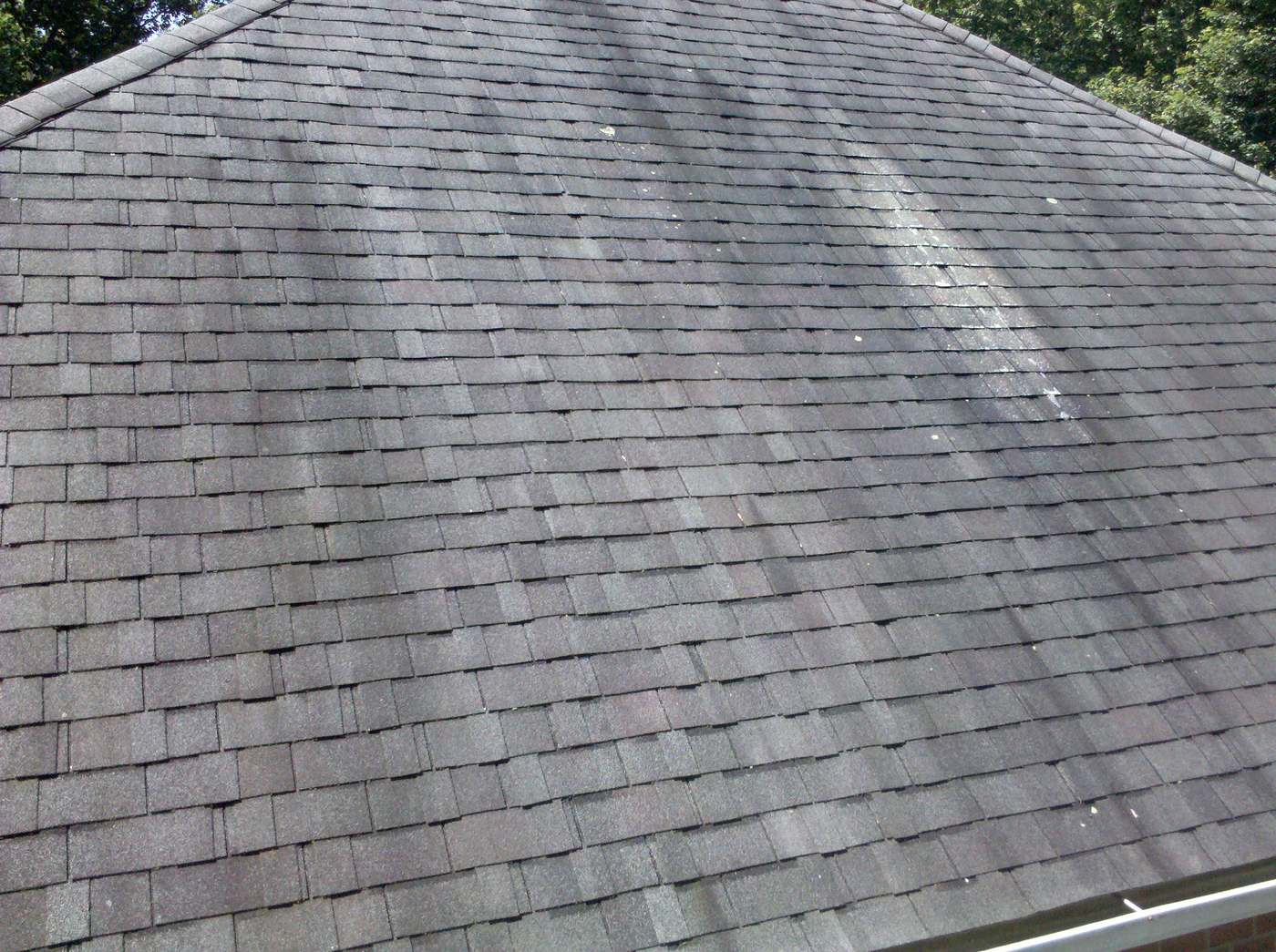
Streaks are usually biology, not a claim file — do not mix them into an insurance inspection as hail. If the field under the color is finished, that is the repair-or-replace conversation. ARMA on algae discoloration of asphalt roofs is the Gloeocapsa page we send owners to, not a bleach recipe.
Algae marks which planes stay wet. It can hide granule loss at a leak edge, so we still walk the lid. It is not a tear-off order by itself. Pressure washing from a ladder is how people chew the cap off a shingle that still had years. Household bleach dumped from the gutter line is how people kill landscaping and still miss the wet slope. Call (281) 562-7867 or request a walkthrough before anyone treats the field. We pick up during business hours.
Algae-resistant shingles are a Gulf product category for a reason. They are relevant on the next replacement, not a requirement we invent. Repairing a few tabs on a heavily streaked field may be correct mechanically and still look uneven. We say that before we nail. Cleaning, if it is even the job, is a separate conversation from leak repair. A stain on the ceiling is a path. A stain on the shingle is often biology.
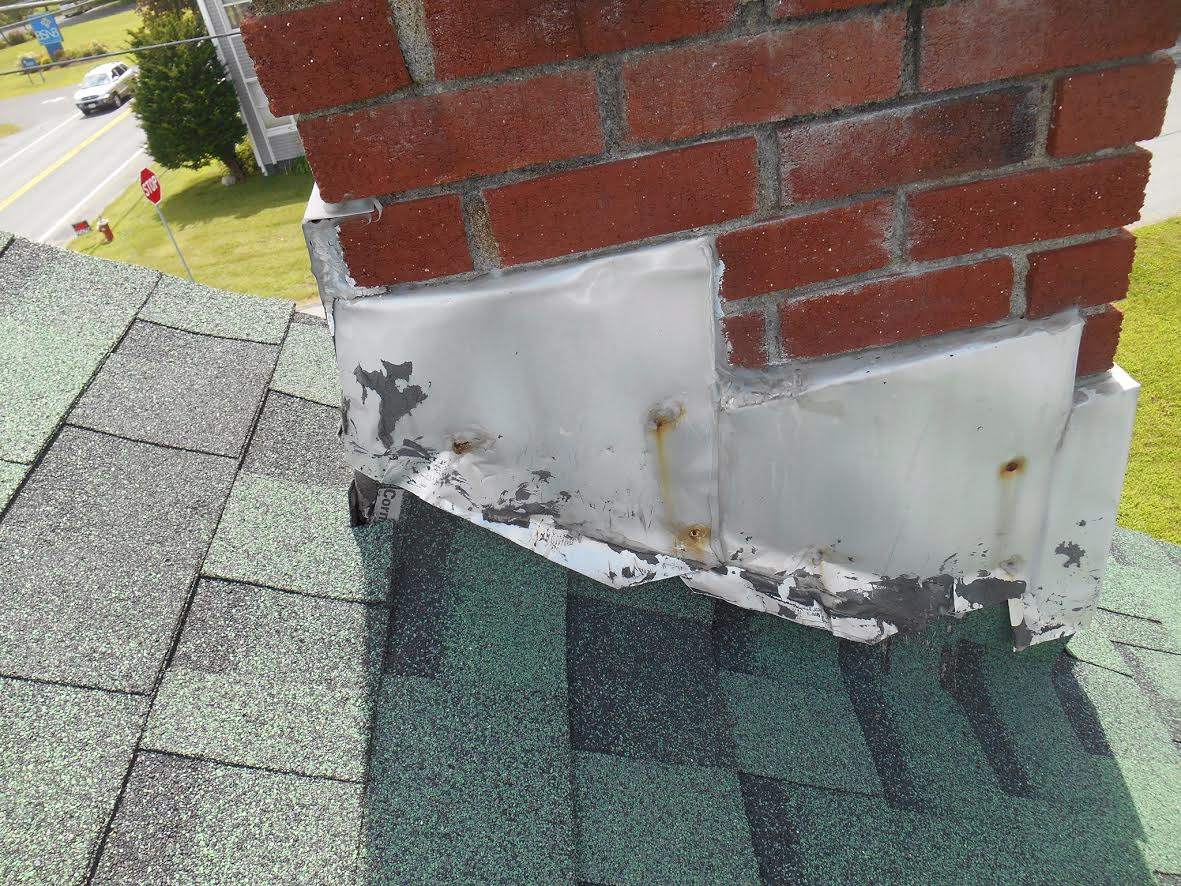
False friends: hail bruising, soot, and wet decking that has stained from inside. Wind-driven rain leaks do not paint tidy vertical stripes down a north slope. Clay-moved chimneys leak at flashings, not as zebra stripes. If you also have a drip, we chase the path and treat algae as a map, not the cause. If you only have stripes and a dry attic, congratulations — you have Houston humidity, not an emergency. Inspection writes that down so a storm file does not swallow it.
Safe clean, in plain language: stay off a steep wet roof, do not blast granules, do not invent a driveway chemical menu we have not specified, and do not confuse a brighter north slope with a repaired leak. Some owners live with the streaks. Some ask about cleaning as appearance. Some are mid-sale in a Woodlands village and want the lid described. We will not publish a bleach recipe. We will look at whether the field under the streaks is still honest. No dollar menu for washing or for replacement triggered by color.
The Houston factor
Humid subtropical air plus shade plus a rain year commonly published near fifty inches is the Gloeocapsa climate. North slopes, dense canopy, and houses that sit in their own shadow streak first. South and west slopes fade in Gulf sun instead. That split is a Houston tell. AR products exist as a category because of it (NRCA on Gloeocapsa magma).
Hail is the story people want; algae is the story they have. We refuse to treat every black line as storm bite. Pine pollen and needles add debris in Memorial and The Woodlands valleys — a different maintenance item. Ponding film on low-slope is related biology on a different plane. Clay is unrelated except when someone mistakes a dirty chimney for the cause of the stripes.
Remove, live with, or replace
Remove only with a method that leaves granules. Live with streaks if the field is sound and you do not like chemicals on a slope. Replace when the field is finished for reasons that are not color — wet wood, creasing, stacked patches. Cleaning is never a leak repair. If a vendor promises a new-looking roof from the driveway with bleach, keep looking. We would rather keep the shingle than win a color contest.
Are black roof streaks hail damage in Houston?
Usually no. They are Gloeocapsa on wet, shaded asphalt. Hail that matters breaks the mat. We look at both so a claim file is not built on biology. Memorial and The Woodlands canopy makes streaks ordinary. A dry attic under a zebra north slope is a humidity story. A drip under a flashing is a leak story. We separate them on the visit.
Can I bleach the streaks from the yard?
We will not publish a bleach recipe. Household bleach from a gutter line risks plants, granules, and a false sense that the roof was repaired. Stay off wet steep lids. If appearance matters, ask for a look first so we know the field under the color is sound. Safe clean is not a myth-busting science fair on your lawn.
Will cleaning stop a leak?
No. Algae is a surface map of wet slopes. Leaks are paths at flashings, valleys, and penetrations. Cleaning a north slope will not close a clay-moved chimney. If you have a drip, book leak repair. If you only have stripes, book inspection or a conversation about appearance. Houston humidity will try to grow the streaks again on any field that stays damp.
Call (281) 562-7867 during business hours or request a walkthrough. We pick up Mon–Fri and schedule a tarp or visit from there — no around-the-clock crew claim.